
Effortless Automations for a Cozier, Leaner Home

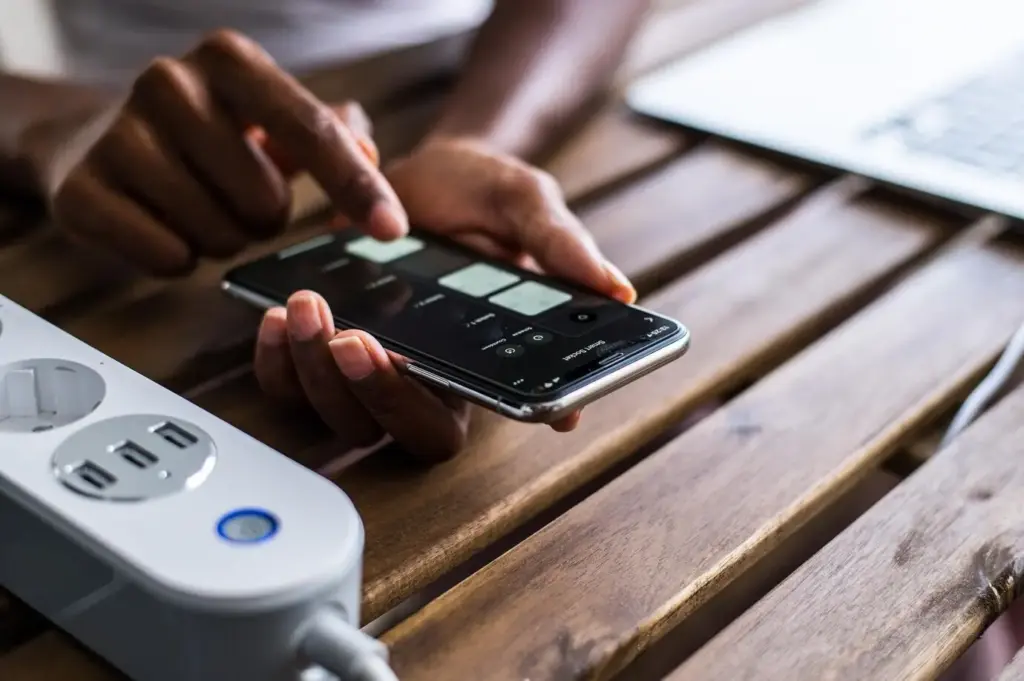
Welcome! Today we’re diving into no-code smart home routines for energy savings and daily comfort, turning everyday moments into helpful, quiet assistance. We’ll connect devices, craft thoughtful schedules, and lean on sensors instead of scripts. Expect practical steps, friendly examples, and honest lessons from real homes. Ask questions in the comments, subscribe for weekly ideas, and start shaping a home that works gently, predictably, and efficiently while you focus on living.

Start Fast: Choose, Link, and Create

Getting started should feel light and encouraging, not technical or intimidating. You can begin with a voice assistant, a mobile app, and a couple of reliable devices. We’ll outline clear steps that help you pick a platform, connect everything calmly, name devices clearly, and create that first automation that proves how easy comfort and savings can be without touching code.

Thermostat Setbacks That Still Feel Cozy

A small adjustment goes far: lowering heat or raising cooling by just one degree for eight hours can cut HVAC energy roughly around a percentage point per degree. Use schedules and presence to nudge temperatures when rooms are unused, then pre‑warm or pre‑cool before you arrive. Pair with ceiling fans or smart shades so comfort remains steady and pleasantly natural.

Lights That Follow You, Not Your Switches

Occupancy sensors and daylight awareness can fade lights up as you enter and gently dim when you leave, trimming watts without fuss. Tie brightness to time of day for calmer evenings and alert mornings. Start with halls and bathrooms, then expand to kitchens. Add a grace period to avoid annoying shut‑offs, and keep a manual override for guests or reading corners.

Daily Rhythms That Flow

Great routines feel like they read your mind. Design morning, arrival, and bedtime flows that prepare spaces ahead of you, cushion transitions, and reduce decisions. When lighting, temperature, and notifications adapt naturally, your day unfolds with fewer interruptions, less waste, and more presence—so you feel supported, never managed, by technology that understands gentle timing.

Gentle Mornings Without Alarms Barking

Begin with soft lighting that brightens incrementally, a kettle plug that preheats after motion, and a thermostat that edges toward comfort before your first steps. Deliver a brief, quiet weather snapshot when someone enters the kitchen. If nobody shows by a certain time, pause everything. These touches protect energy while replacing blaring starts with kinder cues that respect sleepy minds.

Arrive Home to Helpful, Not Hectic

Use presence detection to open a welcoming scene only when someone actually enters, not just drives nearby. Lights rise to safe, modest levels; humidity kicks the fan after a steamy day; music resumes softly. Avoid a carnival by staggering actions and capping brightness. If multiple people arrive, prefer the calmest shared settings to keep both peace and efficiency.

Bedtime That Winds Down Automatically

A bedtime routine can dim living spaces, turn off forgotten plugs, lower shades, and nudge the thermostat gently. Hall lights switch to low, amber glows for safe trips without glare. A late‑night motion rule keeps things calm. If a window is open on a cool night, the system delays HVAC. Quiet order replaces nightly sweeps and accidental overspending.


Sensing, Schedules, and Safety Nets

Balance is everything: schedules are predictable, while sensors are responsive. Blending both yields forgiving routines that rarely misfire. Add safety nets for power hiccups, network blips, or unusual guests. With a few smart conditions and failsafes, your automations stay polite, reversible, and resilient, so comfort persists even when life refuses to follow a tidy script.

Let Data Guide the Tweaks

Numbers tell good stories when presented kindly. Energy dashboards, plug‑level charts, and comfort logs help identify which changes matter. Review weekly for patterns, not perfection. Adjust rules in small steps and give your household breathing room. When people feel heard and results are visible, participation rises, waste falls, and routines remain meaningful rather than mechanical.

Stories, Lessons, and Next Steps

{{SECTION_SUBTITLE}}

Anecdote: The Midnight Laundry Surprise

One household scheduled the washer to run off‑peak but forgot a sleeping toddler nearby. A vibration sensor triggered a calm fallback the next night, shifting cycles earlier. The fix preserved cheap energy while restoring rest. Every stumble can become a sturdier routine when we capture lessons, add respectful conditions, and keep people’s needs quietly in command.

Avoiding Notification Overload

Silence is golden. Replace frequent alerts with brief daily summaries: energy highlights, one missed action, and a friendly suggestion. Escalate only for safety issues. Offer a digest at dinner, not pings at work. Clear, lightweight messaging keeps attention available for what matters most—steady comfort, predictable bills, and the gentle feeling that the house is calmly cooperating.
Rivamiputozurevoxa
Privacy Overview

This website uses cookies so that we can provide you with the best user experience possible. Cookie information is stored in your browser and performs functions such as recognising you when you return to our website and helping our team to understand which sections of the website you find most interesting and useful.