

Run a Happier Household with No-Code Schedules and Chores
Today we dive into family scheduling and chore management using no-code workflows, showing how simple automations, shared calendars, and playful checklists can calm chaos, reduce arguments, and free time for connection. Expect practical steps, honest stories, and gentle prompts to try, customize, and share your own improvements with our community.
Map the Week with a Shared, Living Calendar
Pick a Platform Families Actually Enjoy
Choose a tool your family will open daily, not just admire once. Google Calendar brings ubiquity, Notion and Airtable offer flexible databases, while Trello or ClickUp feel visual and game-like. Prioritize mobile access, shared editing, color options for each person, and effortless recurring schedules, because sustained use beats fancy features every single time.
Automation That Prevents Double-Booking
Connect calendars so school events, practices, and work meetings surface in one place. Use no-code zaps that flag conflicts, shift start times, or drop helpful buffers. If Wednesday soccer moves, dinner auto-adjusts, and pickup notifications update grandparents. Quiet, preventive automation replaces frantic texting with calm certainty, keeping everyone confidently aligned before plans collide.
Visual Cues Everyone Can Understand
Lean on simple icons, emojis, and consistent colors so kids, teens, and elders quickly recognize what matters. Color-blind-friendly palettes improve accessibility, while large fonts help from across the kitchen. Weekend blocks feel different from weekdays, and priority tags highlight non-negotiables. Clear visuals invite participation, lowering resistance and transforming the calendar into a trusted family habit.
Chores That Feel Fair, Finish Fast, and Teach Skills
The best household systems reward effort, share responsibility, and grow capability. Instead of nagging, rely on rotations, visible progress, and achievable steps. No-code tables, buttons, and automations keep tasks moving without parental micromanagement. When everyone sees fair assignments, reminders feel supportive, not punitive, and chores become short, predictable routines that finish before complaints start.
Create a rotation that updates itself weekly using simple formulas or buttons, not scripts. If someone is traveling, skip them automatically and reassign next week. Announce changes on Sunday evenings via a gentle message. Predictability reduces negotiations, while frictionless updates prevent stale lists that undermine trust and reopen the same fairness debates again.
Track points for completed tasks while celebrating intrinsic victories like teamwork and independence. Automations can add points, unlock small rewards, or trigger a family movie night when thresholds are met. Keep rewards lightweight and playful to avoid pressure. The message is growth, not perfection, so effort counts, and small improvements earn sincere recognition.
Use shared dashboards where everyone sees what is done, blocked, or overdue, without shaming anyone. Gentle reminders arrive at thoughtful times, never at midnight. A weekly retro invites honest feedback and simple tweaks. Transparency builds trust: when progress is visible, expectations steady, and adjustments welcome, defensiveness fades and cheerful follow-through reliably increases.

Routines for Mornings, Evenings, and Everything Between
Smoother routines are built from small, repeatable actions stitched together with reminders and checklists. Think timeboxed steps for breakfast, a predictable after-school handoff, and a calming evening wind-down. One Saturday, a spilled-cereal meltdown dissolved because the checklist absorbed delays, shifted piano practice, and still preserved reading time. Systems turn chaos into compassionate flexibility.

Hands-Free Inputs: Voice, Text, and Household Displays
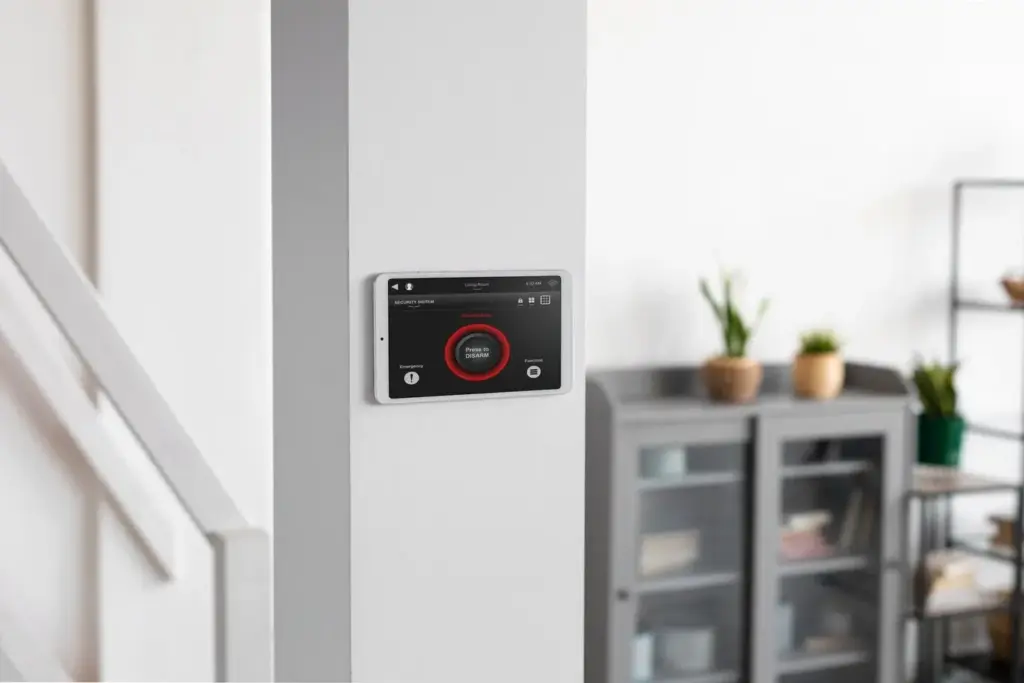
Reduce cognitive load by capturing requests wherever they arise. Speak a task while stirring pasta, text a reminder from the bus, or glance at a hallway display that unites everyone. No-code connectors tie voice assistants, spreadsheets, and calendars together so updates flow both ways, keeping information fresh without insisting on a single app.
Privacy, Trust, and Respect in a Connected Home
Healthy systems never feel like surveillance. Favor opt-in participation, plain-language explanations, and minimal data retention. Share exactly who sees what, and avoid location tracking unless safety specifically requires it. Weekly check-ins invite concerns, and adults model boundaries. When respect guides design, people volunteer updates more freely, and collaboration grows from genuine security, not pressure.

Adapt Faster During Seasons, Trips, and Curveballs
Life rarely sits still. Build presets for school terms, summer freedom, visiting relatives, and tournament weekends. One click activates the right rhythms: different bedtimes, chore loads, and carpool patterns. Travel mode compresses routines; exam weeks simplify extras. Adaptability keeps systems compassionate, ensuring structure follows reality rather than forcing reality to obey outdated, rigid plans.
Summer deserves looser structure without losing anchors. A seasonal template shifts wake times, adds outdoor blocks, and lightens chores while preserving essentials like dishes and laundry. Kids pick passion projects, tracked simply with encouraging checkmarks. When school returns, re-enable study time and earlier bedtimes with one tap. Seasonal switches keep motivation and joy alive.
Illness requires gentleness. A single toggle defers nonessential tasks, informs caregivers, and tightens sanitation chores temporarily. Reminders transform into soft check-ins, and points can convert to comforting privileges. When energy returns, normal duties phase back gradually. By encoding compassion, the system protects healing, prevents resentment, and shows kids that care outranks relentless productivity every time.
Launch in Thirty Minutes and Share Your Wins
Start small today: pick one calendar, one routine, and one chore rotation. Automate a single reminder and test it for a week. Celebrate what works, adjust kindly, and invite feedback from your family. Subscribe for upcoming playbooks, drop questions in the comments, and tell us what tiny tweak delivered surprisingly big peace at home.
A Simple First Build You Will Actually Use
Create a primary family calendar, color everyone, and add only high-impact events. Add a breakfast checklist with three steps and one shared evening chore. Connect a reminder that sends at a reasonable hour. Resist adding complexity. Winning early buys trust, which funds the next, slightly smarter improvement without eye rolls or silent resistance.
Test, Reflect, and Iterate Together
Hold a short weekly retro: what felt helpful, what annoyed, and one improvement to try. Keep changes tiny and reversible so nobody fears experiments. Adjust reminder times, redistribute a chore, or swap an icon. When families co-design the system, commitment rises, blame falls, and everyone feels respected by the process guiding daily life.
Join the Conversation and Inspire Others
Share your clever automations, funny misfires, and proud moments. Did a single text save a pickup? Did a checklist spark independence? Post your story, ask for guidance, or request templates. We read every reply, refine playbooks from your experiences, and cheer as more households trade chaos for calm, connection, and breathable evenings.